We Are Here
To Help You
To Help You

Humanitarian immigration relief offers protection to survivors of crime, trafficking, and abuse through several pathways, including the U visa, T visa, and VAWA. The U visa is a nonimmigrant visa category in the United States that provides temporary legal status to victims of certain crimes who have suffered mental or physical abuse and are helpful in the investigation or prosecution of those crimes. The U visa is designed to protect immigrant crime victims and encourage them to cooperate with law enforcement without fear of deportation.
To be eligible for a U visa, an individual must meet the following criteria:
Be helpful or be helpful in the investigation or prosecution of the crime.
One crucial aspect of the U visa application is obtaining a certification from a law enforcement agency, prosecutor, judge, or other authority that verifies the individual’s cooperation in the investigation or prosecution of the crime.
Eligible U visa recipients can also include certain family members, such as spouses, children, parents, and siblings. Each family member must meet certain criteria and apply for their own U visa.
Once approved, U visa holders receive temporary legal status in the U.S. for up to four years. During this time, they are authorized to work and live in the U.S.
After three years of continuous presence in the U.S. on a U visa, the visa holder may be eligible to apply for lawful permanent resident status (a green card) through the adjustment of status process.
The U visa program aims to provide protection and support to victims of crime, encourage cooperation with law enforcement, and enhance public safety. The U visa process can be complex, and it is recommended to seek guidance from legal professionals or advocacy organizations that specialize in immigration and victim services.
As another form of humanitarian immigration relief, a T visa is a nonimmigrant visa category in the United States that provides temporary legal status to victims of severe forms of human trafficking who have been subjected to forced labor, involuntary servitude, or commercial sexual exploitation. The T visa allows these victims to stay in the U.S. temporarily and assist law enforcement in investigating and prosecuting traffickers.
To be eligible for a T visa, an individual must meet certain criteria, including:
A law-enforcement declaration on Form I-914, Supplement B can provide valuable evidence of the applicant’s cooperation, but it is not mandatory. USCIS may evaluate other credible evidence, and exceptions to the cooperation requirement may apply, including based on age or trauma
Once approved, T visa holders receive temporary legal status in the U.S. for up to four years. During this time, they are authorized to work and live in the U.S. After three years of continuous presence in the U.S. on a T visa, the visa holder may be eligible to apply for lawful permanent resident status (a green card) through the adjustment of status process.
VAWA stands for the “Violence Against Women Act,” which is a landmark piece of legislation in the United States that was first enacted in 1994. VAWA addresses and seeks to prevent violence, abuse, and exploitation in intimate partner relationships and families. It focuses on providing support and protection to victims, promoting accountability for perpetrators, and enhancing resources for law enforcement and service providers.
VAWA may allow certain abused spouses, former spouses, children, and parents of qualifying U.S. citizens or lawful permanent residents to self-petition for immigration benefits without the abusive family member’s participation or consent. Eligibility depends on the relationship, immigration status of the abusive relative, evidence of battery or extreme cruelty, and other statutory requirements.
VAWA has played a crucial role in combating domestic violence, dating violence, sexual assault, and stalking in the United States. It has provided victims with resources and legal remedies to escape abusive situations, access support services, and rebuild their lives. Over time, VAWA has evolved to address the needs of diverse populations and continues to be a significant force in the effort to prevent and respond to violence.
If you or a loved one may qualify for humanitarian immigration relief, Moreno Law Immigration is here to guide you through the U visa, T visa, or VAWA process. We also assist clients with family immigration petitions, green card immigration through marriage, and asylum immigration cases, so reach out today to discuss which path is right for your situation.
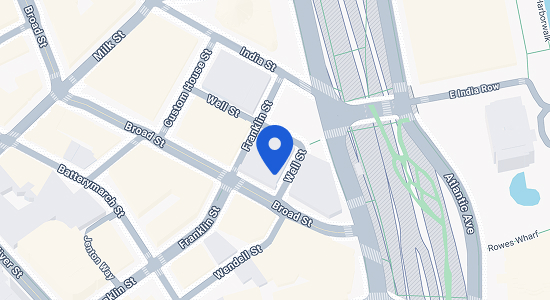
We kindly ask that all visits are by appointment only. This allows our team to give every client the time and attention they deserve.